From Social Handle to Legacy Brand: How Mid-Tier Creators Can Build Enterprise-Grade Businesses
Contents
There is a dangerous ceiling in the creator economy. You hit 500,000 followers, secure a few consistent brand deals, and finally start making a full-time living. You think you've made it. But behind the scenes, you are exhausted.
You are a one-person production studio, customer service rep, and sales team. Your income is entirely dependent on your ability to churn out content daily. If you take a vacation, the algorithm punishes you. If a platform changes its rules, your revenue drops.
This is the classic "influencer trap." You have successfully built an audience, but you haven't built a business.
For mid-tier and macro creators, scaling past this plateau requires a fundamental shift in identity. You must transition from being a content creator to acting like a CEO. Here is the operational blueprint for upgrading your social handle into a scalable, longevity brand.
The Difference Between an Influencer and an Entrepreneur
An influencer monetizes attention. An entrepreneur monetizes assets.
When your primary revenue stream comes from sponsored posts or platform ad shares, you are essentially trading your personal time and reputation for temporary cash. You are renting out your digital real estate to other companies so they can build their brands.
According to the latest insights from Goldman Sachs' Creator Economy Market Report, the industry is shifting aggressively toward direct-to-consumer models. The creators who will survive the next decade are those who convert their top-of-funnel social traffic into proprietary, owned assets like email lists, digital products, and physical merchandise lines.
To make this transition, you need to stop acting like a freelancer and start operating with the infrastructure of a legitimate enterprise.
Step 1: Establish Your Data Sovereignty
A real company doesn't rely on a third-party social media platform to hold its customer list. If your only way to reach your fans is by posting a TikTok or an Instagram Reel and hoping the algorithm shows it to them, you do not own your business.
The first step in scaling your operations is establishing data sovereignty. You must build a direct line of communication with your audience that no platform can take away.
As we detailed in our creator cold-start guide to building an email list, capturing zero-party data (emails, purchase histories, and content preferences) is the bedrock of enterprise value. When you own the customer relationship, you can predict revenue, launch products successfully, and shield your brand from algorithmic volatility.
Step 2: Build an Engine, Not Just a Storefront
Many creators attempt to build a brand by slapping their logo on cheap, dropshipped merchandise and adding a link-in-bio. This often backfires. Your audience expects the same level of quality from your products as they do from your content.
To build a longevity brand, you need infrastructure that rivals traditional e-commerce companies, but without the massive overhead.
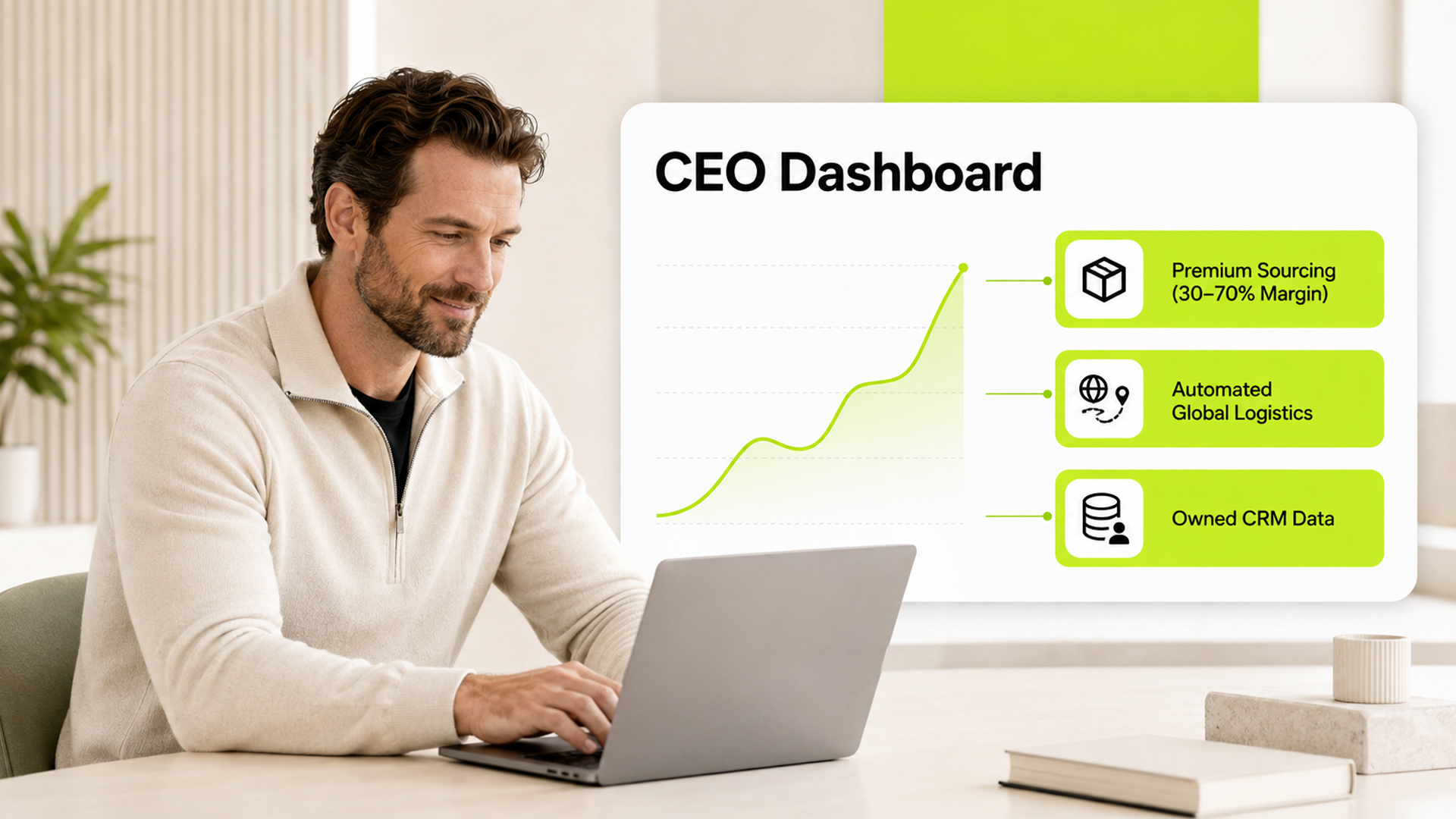
Premium Sourcing: Move away from low-margin affiliate links. Partner with vetted, high-quality suppliers that offer custom product lines with 30% to 70% margins.
Automated Fulfillment: You cannot scale if you are manually processing orders. Utilize backend systems that handle global shipping and logistics invisibly.
Brand Alignment: Every touchpoint, from the storefront design to the post-purchase email, must sound and look exactly like you.
This is the philosophy behind Fypro: Made for creators. Built like a brand.
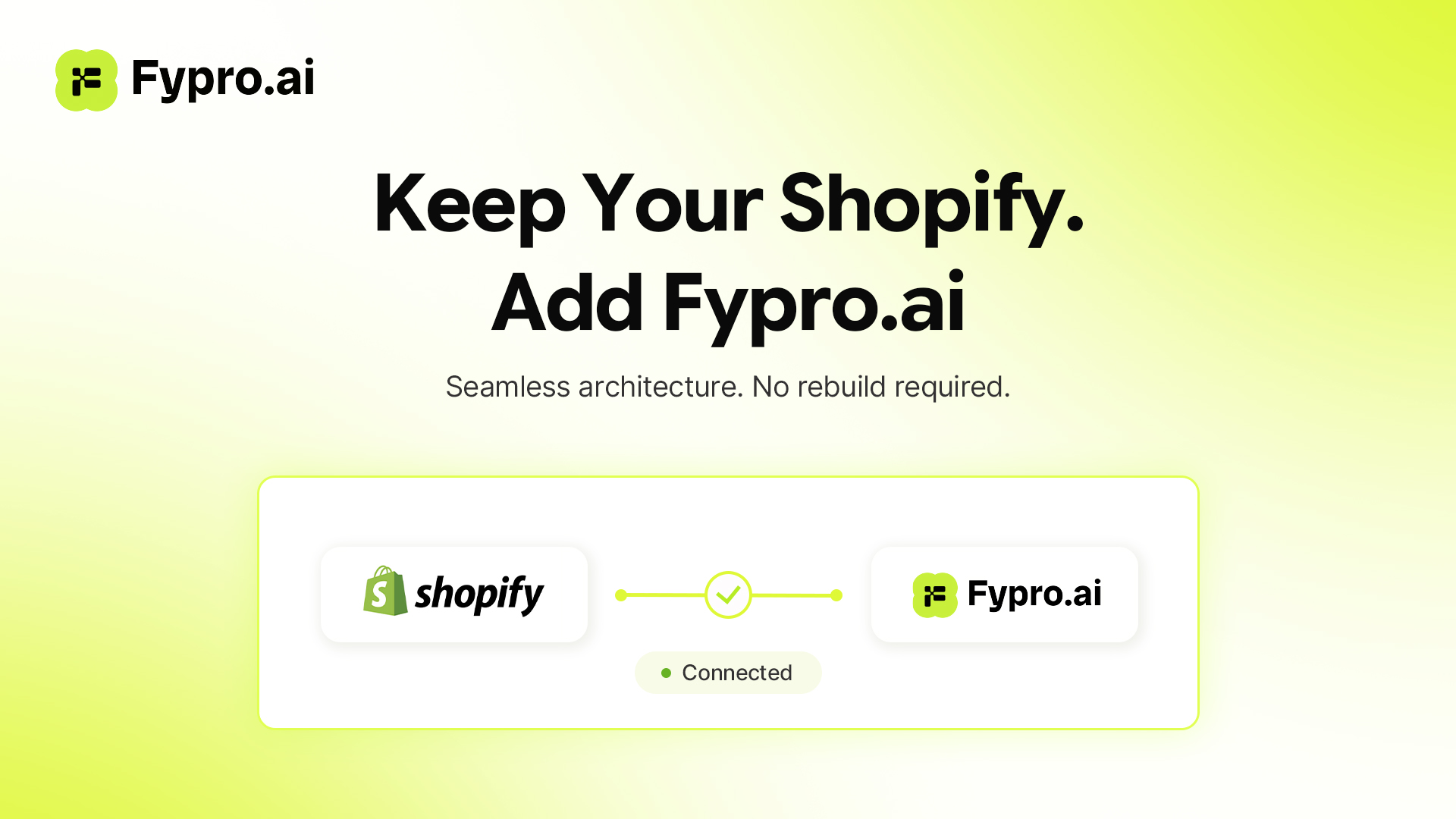
We designed our platform to give mid-tier creators the operational firepower of a 50-person e-commerce team. Whether you are using our smart pop-up controls to monetize without alienating fans or integrating an existing catalog through our Shopify compatible architecture, you get an enterprise-grade engine that operates seamlessly in the background.
Step 3: Decouple Your Time from Your Revenue
The ultimate test of a true business is whether it can generate revenue while you sleep.
If your income requires you constantly pitching sponsors, negotiating contracts, and filming ad reads, your business cannot scale beyond your personal bandwidth. You must build systems that decouple your personal time from your revenue generation.
This involves leveraging AI and automation to handle the heavy lifting:
Automated CRM: Let your backend automatically tag repeat buyers, segment your audience, and send targeted email campaigns based on purchase behavior.
SEO & Evergreen Traffic: Optimize your digital footprint so your content continues to drive traffic long after it is published. As we explained in our guide to short-form video SEO, creating search-optimized assets ensures a steady stream of high-intent customers who discover your brand organically.
Predictable Launches: Use your owned data to predict demand, pre-sell merchandise, and launch new product lines with mathematical certainty rather than guesswork.
The Enterprise Advantage
Transitioning from a popular handle to a legacy brand is not about working harder; it is about working smarter. It is about replacing the chaos of daily content creation with the structured predictability of a real business.
Research published in McKinsey's Future of E-Commerce Analysis emphasizes that agility and direct consumer relationships are the defining characteristics of modern brand success. Creators already possess the relationship; they just need the agile infrastructure to support it.
You have already done the hardest part: building trust and capturing attention in a noisy world. Don't let that effort go to waste by remaining trapped in the influencer treadmill.
Upgrade your infrastructure, take ownership of your audience data, and build a longevity brand that stands the test of time. It is time to step into the role of CEO.